Introduction
Building a fence can significantly enhance the aesthetics, security, and privacy of your property. However, before you dive into the world of fencing products and styles, there's an essential element you require to think about-- regional regulations. Ensuring compliance: browsing regional regulations for fence installation in Melbourne is vital for a problem-free experience. In this detailed guide, we'll take you through every information worrying fence installation in Melbourne, focusing especially on Colorbond fencing-- a popular option among homeowners.
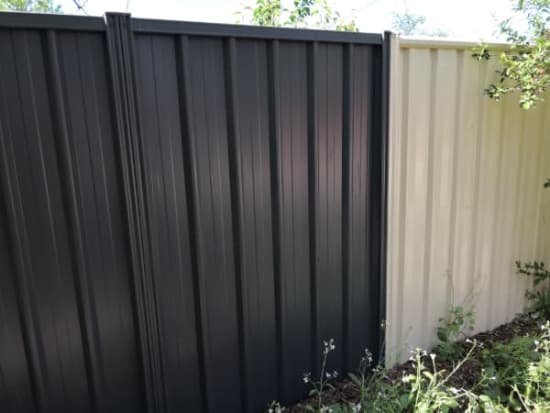
Colorbond fencing uses resilience and is available in various colors that can complement any home style. This guide will dig deep into the ins and outs of setting up Colorbond fencing in Melbourne while browsing regional regulations that might affect your project.
Understanding Local Regulations for Fence Installation
What Are Regional Regulations?
Local regulations are rules set by community governments or councils that dictate how homes ought to be established and maintained. These rules can vary considerably depending upon your place within Melbourne, making it necessary to familiarize yourself with them before beginning any building and construction work.
Why Complying with Regulations is Important
Failing to adhere to regional policies can cause legal issues, significant fines, and even obligatory elimination of the installed fence. Furthermore, non-compliance can negatively affect your relationships with next-door neighbors and minimize your home's general value.
Different Types of Fences Covered by Local Regulations
Melbourne's local councils have standards covering numerous types of fences:
- Residential Fences: Typically used for privacy. Commercial Fences: Typically built around organizations for security. Boundary Fences: Shared in between two properties.
Understanding these categories will help you pick the best kind of fence for your needs.
The Role of Colorbond Fencing in Melbourne
What is Colorbond Fencing?
Colorbond fencing is made from steel covered with a layer of color paint, providing resilience and resistance to climate condition. It has gotten enormous appeal due to its visual appeal and low maintenance requirements.
Benefits of Selecting Colorbond Fencing
Durability: Colorbond fences are resistant to rot and pests. Aesthetic Appeal: Readily available in numerous colors that match various architectural styles. Security: Supplies a robust barrier against intruders.Comparing Colorbond Fencing with Other Materials
|Function|Colorbond|Timber|Vinyl|| ---------|-----------|--------|-------|| Durability|High|Medium|Medium|| Maintenance|Low|High|Low|| Visual Alternatives|Substantial|Restricted|Restricted|
Before You Start: Investigating Your Regional Council's Guidelines
Which Council Supervises Your Area?
Each suburban area in Melbourne falls under a specific council's jurisdiction. Understanding which council governs your area is important as they enforce distinct guidelines associated with fencing.
How to Gain access to Your Council's Guidelines
Most councils provide online resources where you can access their planning https://outstandingfencing.com.au/colorbond-fencing/ allows and policies relating to fence setup.
- Visit the main website of your regional council. Search for "fencing regulations" or "fence permits."
Common Guidelines You Might Encounter
Height Restrictions: Lots of councils enforce restrictions on how high fences can be. Setback Requirements: Some locations may require fences to be held up from boundaries. Material Restrictions: Certain products may be forbidden or need unique permits.The Value of Preparation Permission
When Is Preparation Consent Needed?
In some cases, specifically when constructing high fences or installing detailed designs, planning permission may be required before continuing with construction.
How to Request Planning Permission
Gather essential paperwork (site plans, property information). Fill out the application form offered on your regional council's website. Submit along with any needed fees.Consequences of Not Applying
Not getting planning permission when needed might result in fines or being ordered to get rid of the structure entirely.
Finding a Dependable Colorbond Fencing Installer
Why Select a Professional Installer?
While DIY projects sound attractive, employing a professional guarantees quality work that fulfills all regulative requirements.
How to Select the Right Installer
Check Reviews and Testimonials Ask About Experience with Local Regulations Request Prices quote from Multiple InstallersQuestions to Ask Potential Installers
- How familiar are you with regional fencing regulations? Can you offer referrals from previous clients? Do you use warranties on your work?
DIY vs Professional Installation
Pros and Cons of Do It Yourself Installation
Pros
- Cost Savings Personal Fulfillment
Cons
- Potential for Errors Time-consuming
Materials Needed for Colorbond Fence Installation
Essential Tools and Equipment
Concrete Mixer: For setting posts securely. Level: To make sure posts are straight. Measuring Tape: Accuracy is key!Step-by-Step Guide to Setting up a Colorbond Fence
Step 1: Planning Your Fence Layout
Mark out where you desire the fence utilizing stakes and string lines.
Step 2: Digging Post Holes
Ensure holes are deep adequate (typically about one-third the height of the post).
Common Challenges Throughout Installation
Weather Conditions
Adverse weather can postpone installation; it's finest done throughout dry periods.
#htmlplcehlder 223end. Navigating Next-door neighbor Relations Be sure to notify neighbors before starting work-- this assists maintain great relationships! Maintaining Your Colorbond Fence
Regular Inspections
Inspect your fence at least once a year for any indications of damage or wear.
FAQs about Fence Setup in Melbourne
Do I require an authorization for my fence installation?- Yes, it depends upon height and location; contact your local council.
- Most councils allow fences up to 1.8 meters high without a permit.
- Generally not; most councils require setbacks from property lines.
- Typically in between 1-- 3 days depending on size and complexity.
- Yes! It's typically recyclable at end-of-life compared to other materials like timber.
- Open interaction typically solves disagreements; refer back to local laws as needed.
Conclusion
Embarking on the journey of installing a brand-new fence-- especially one as versatile as Colorbond fencing-- is an interesting venture! However, navigating through the labyrinth of regional regulations adds an additional layer that requires careful attention and understanding.
Remember that ensuring compliance not just saves you cash however likewise promotes great relationships with next-door neighbors while improving your residential or commercial property's value! So whether you're going at it alone or employing the services of experienced professionals like a Colorbond fencing installer or Colorbond fencing builder, constantly keep those regional guidelines front-of-mind!
And there you have it! With this comprehensive guide under your belt, you're now equipped not simply with understanding but likewise techniques that will lead you toward achieving success in all things connected to Ensuring compliance: browsing regional policies for fence installation in Melbourne Pleased Fencing!